
One reference, six setups
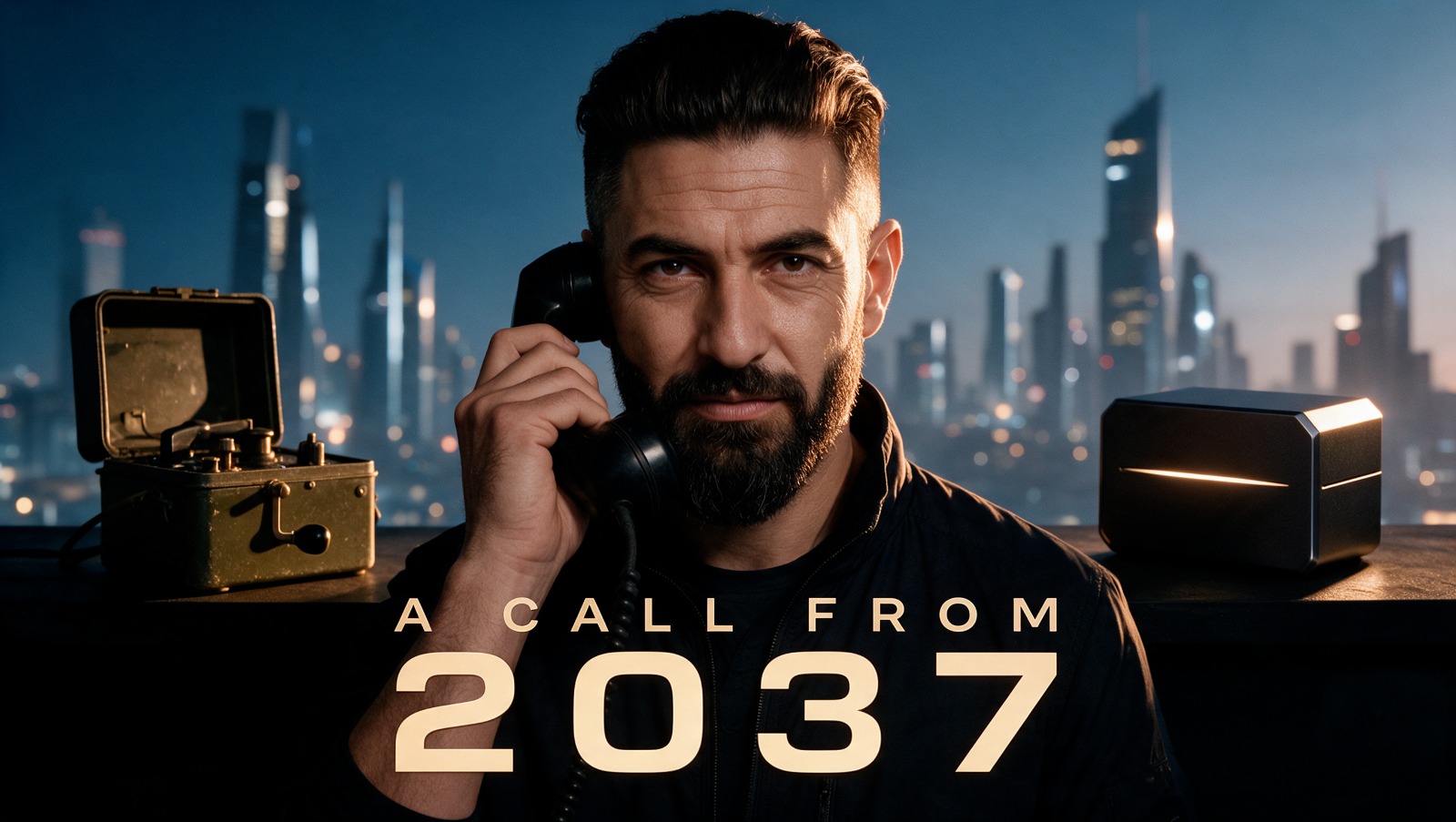
The same portrait sits behind every scene of the film. Nothing in the sequence was re-cast or re-described; the photograph did the work a casting director would.
Stories · The archive
Breakdowns of work made here: the brief that started it, the plan the director wrote, and the thirty seconds that came out the other end.
Catalogue piece — made with Flexi Frame
Origin piece
The brief was one line: a man answers a phone call from himself, eleven years from now. Everything else — the empty apartment, the single hard light, the handwriting on the page — came out of the six-scene plan the director wrote before any frame existed. It became the template the rest of the catalogue is measured against.
The beat sheet
This is the shape every Flexi Frame film is built on — written as text first, shot second, cut to the frame last.
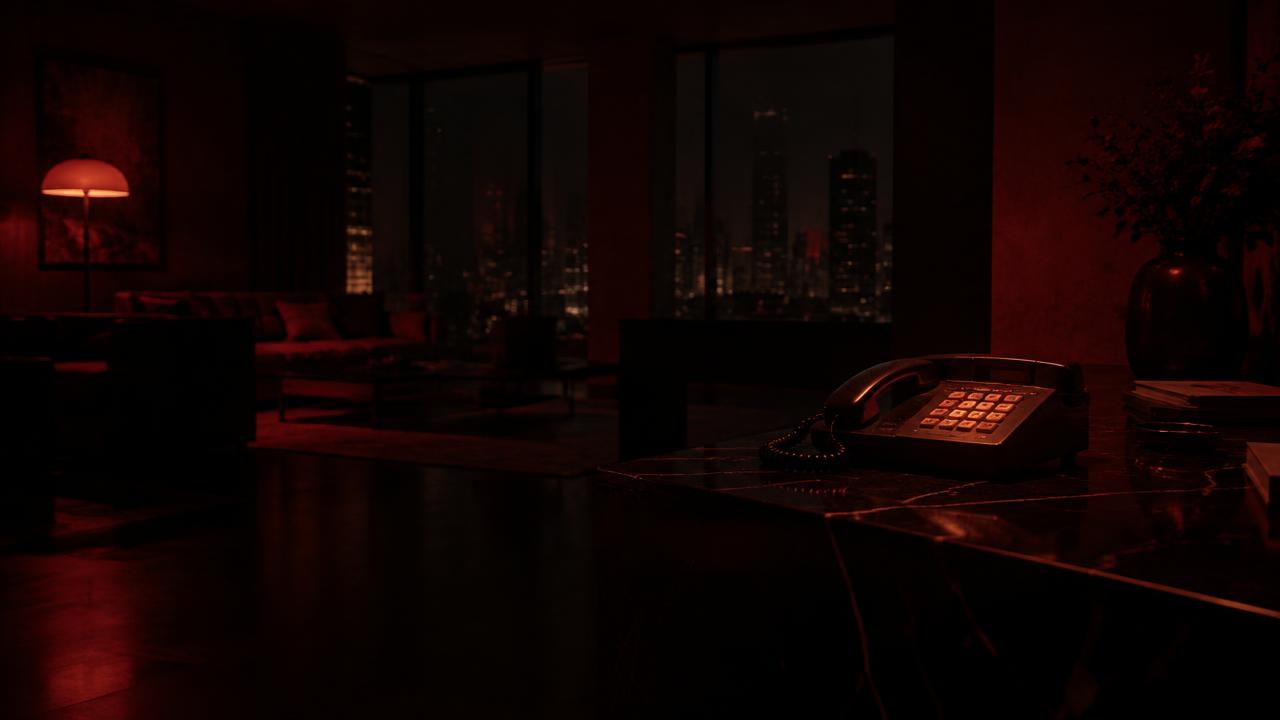
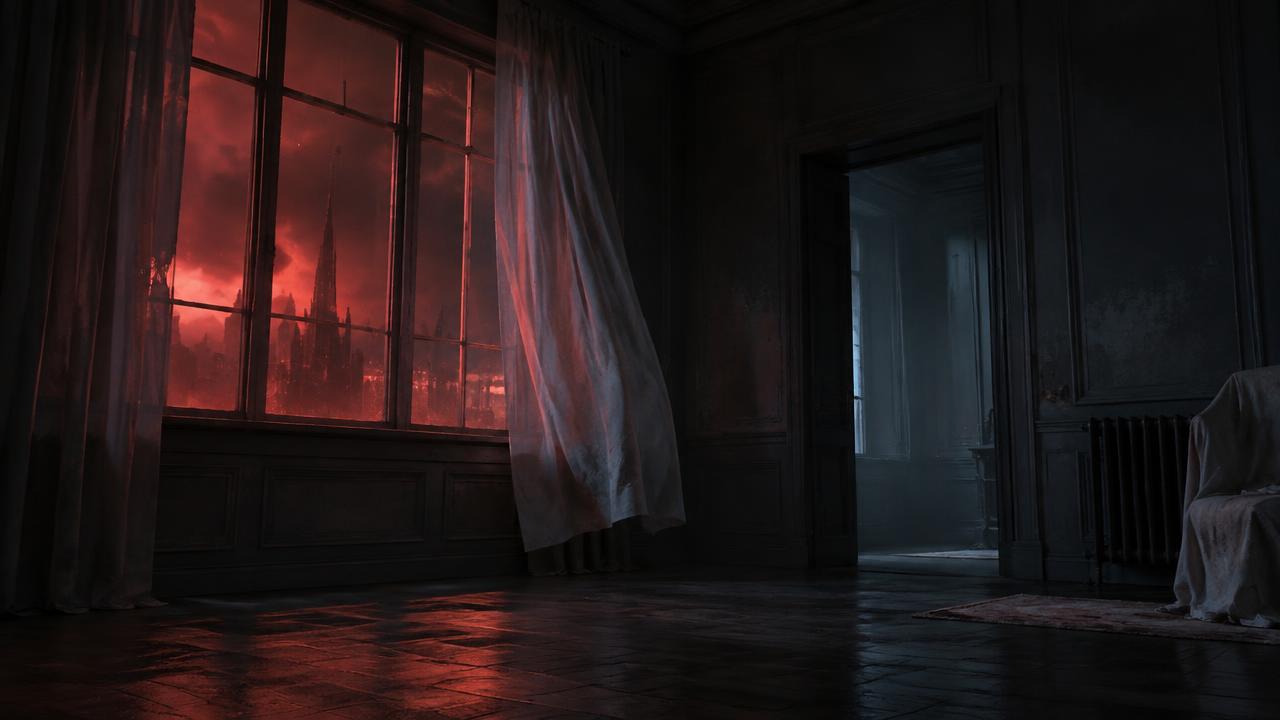
An empty apartment. A phone that should not be ringing.
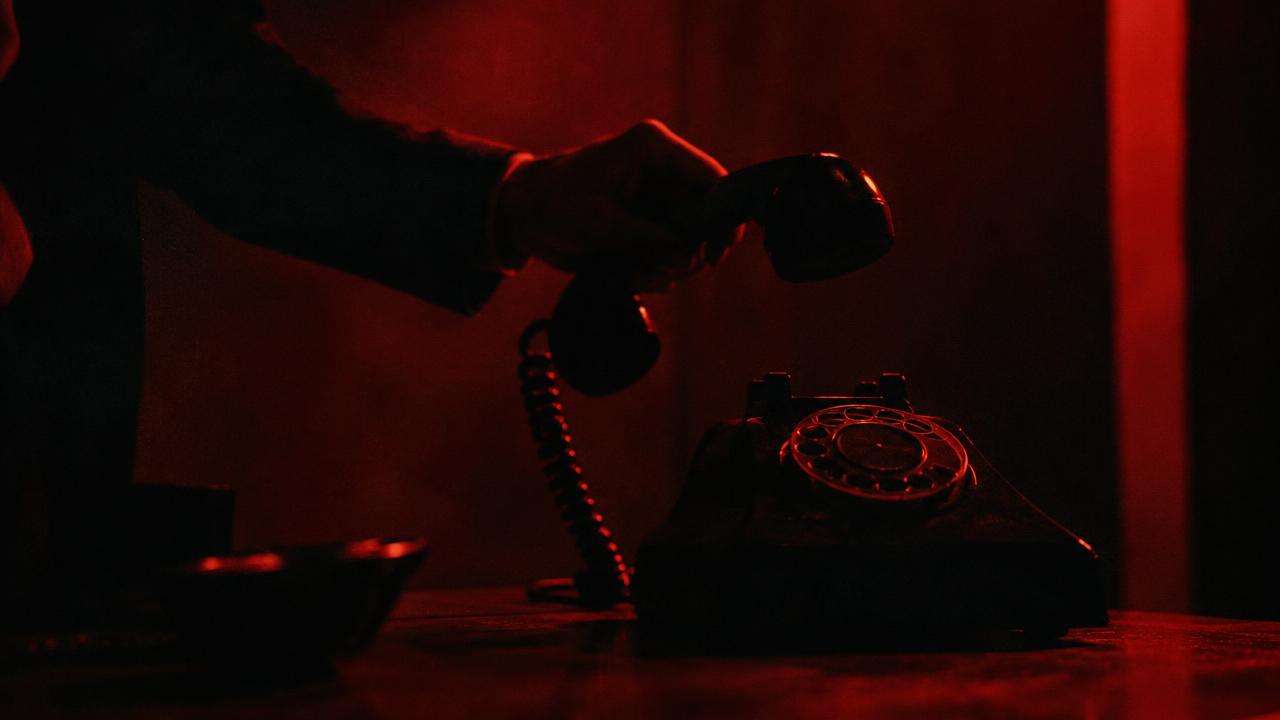
He answers. The voice on the line is his own, older.
A date is given. The room changes temperature.
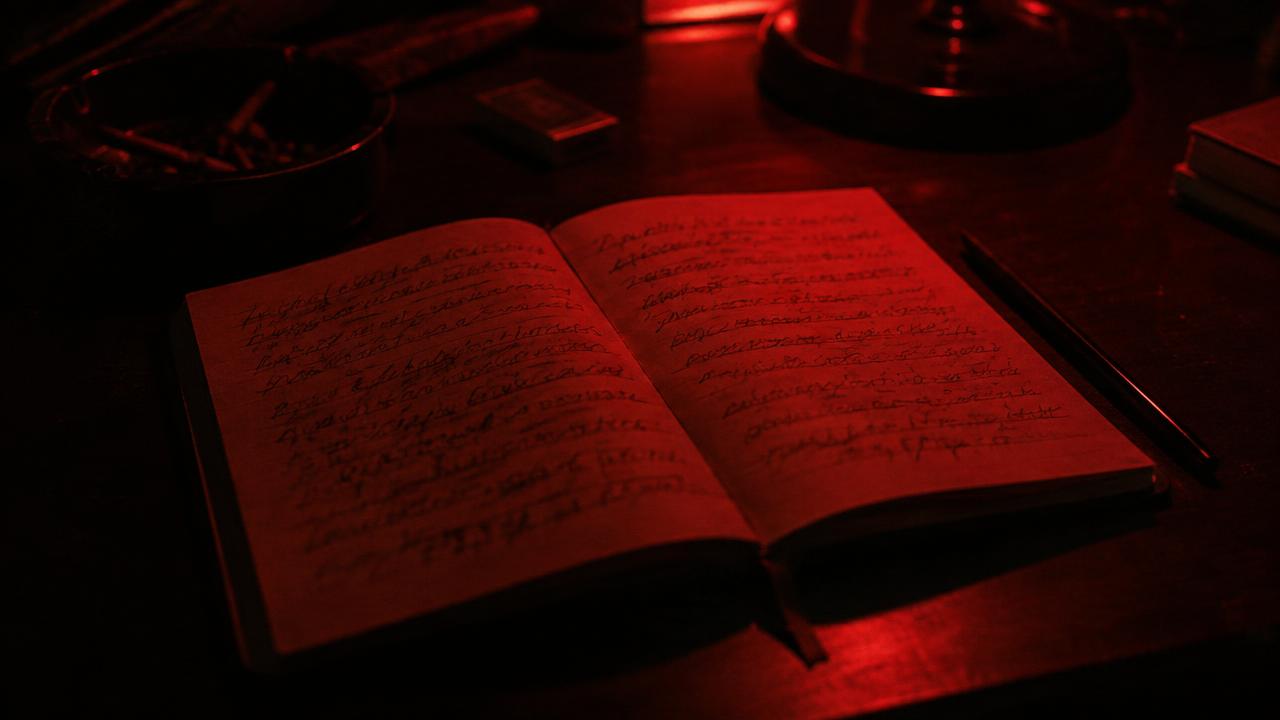
He looks for proof and finds it in his own handwriting.
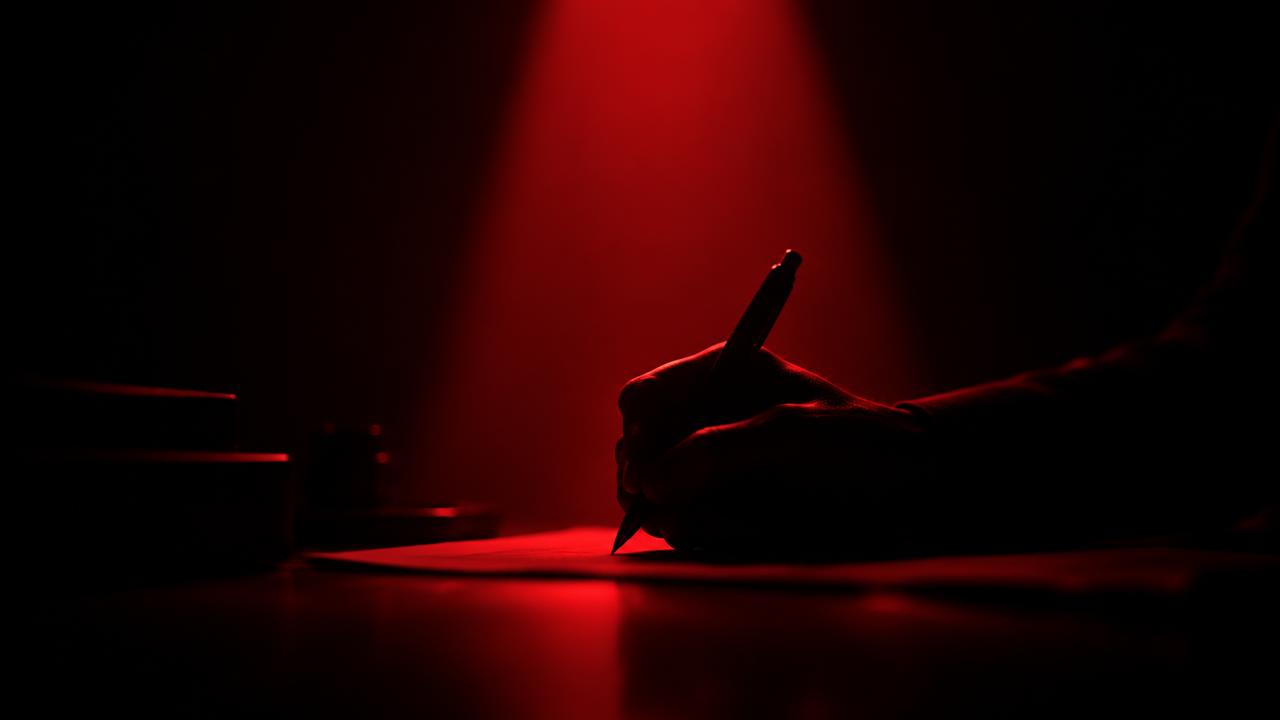
He writes the sentence he was told to write.
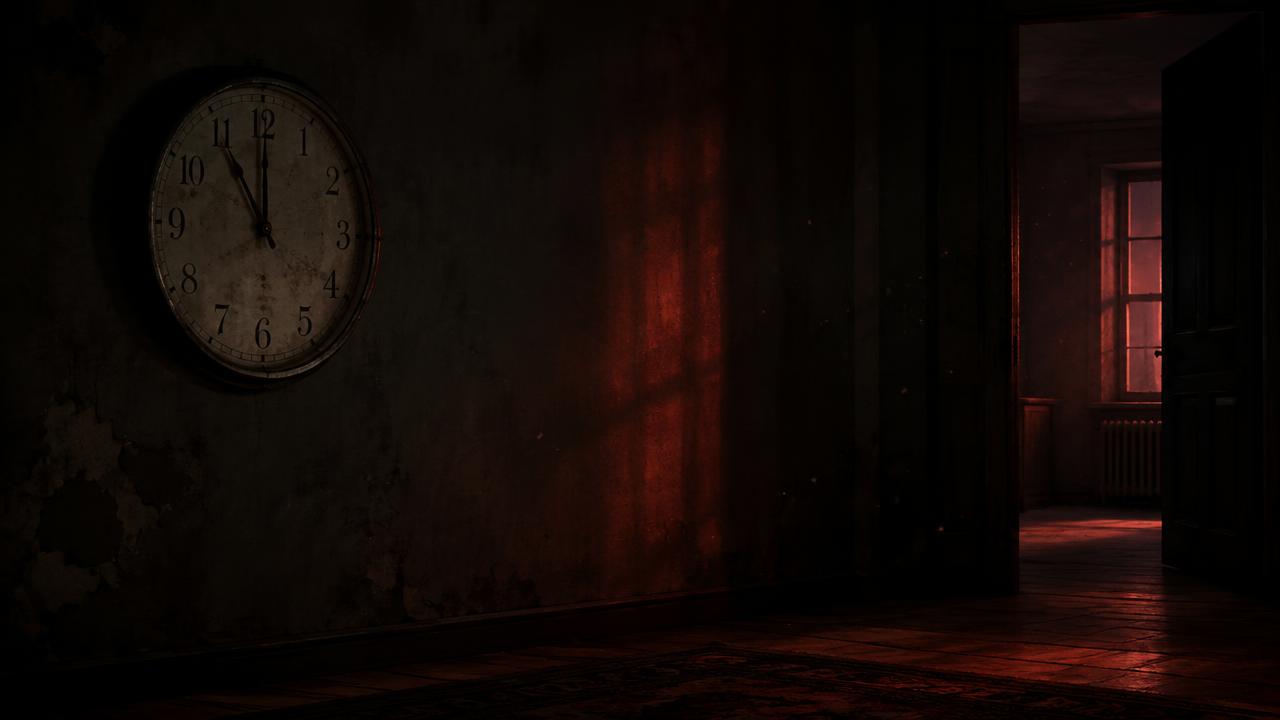
The line goes dead. The year on the wall reads 2037.
Editorial
The same portrait sits behind every scene of the film. Nothing in the sequence was re-cast or re-described; the photograph did the work a casting director would.
The six beats above existed as plain text — purpose, action, camera — long before an image was generated. Reading the plan first is what stops thirty seconds from becoming a slideshow.
Each scene is generated longer than it needs to be and trimmed in assembly, so the finished print lands on exactly 720 frames rather than roughly half a minute.
The catalogue
This section only ever shows real films their owners chose to publish. The piece above is labelled catalogue work, not a community submission. Yours could open this page.
Start your filmOne line
Write the line. The plan, the six scenes and the final print follow from it.